
Discover the Magic of Wee Hooses Compost Toilets
Updated: Jul 28
What Makes Oor Compost Toilets Unique?
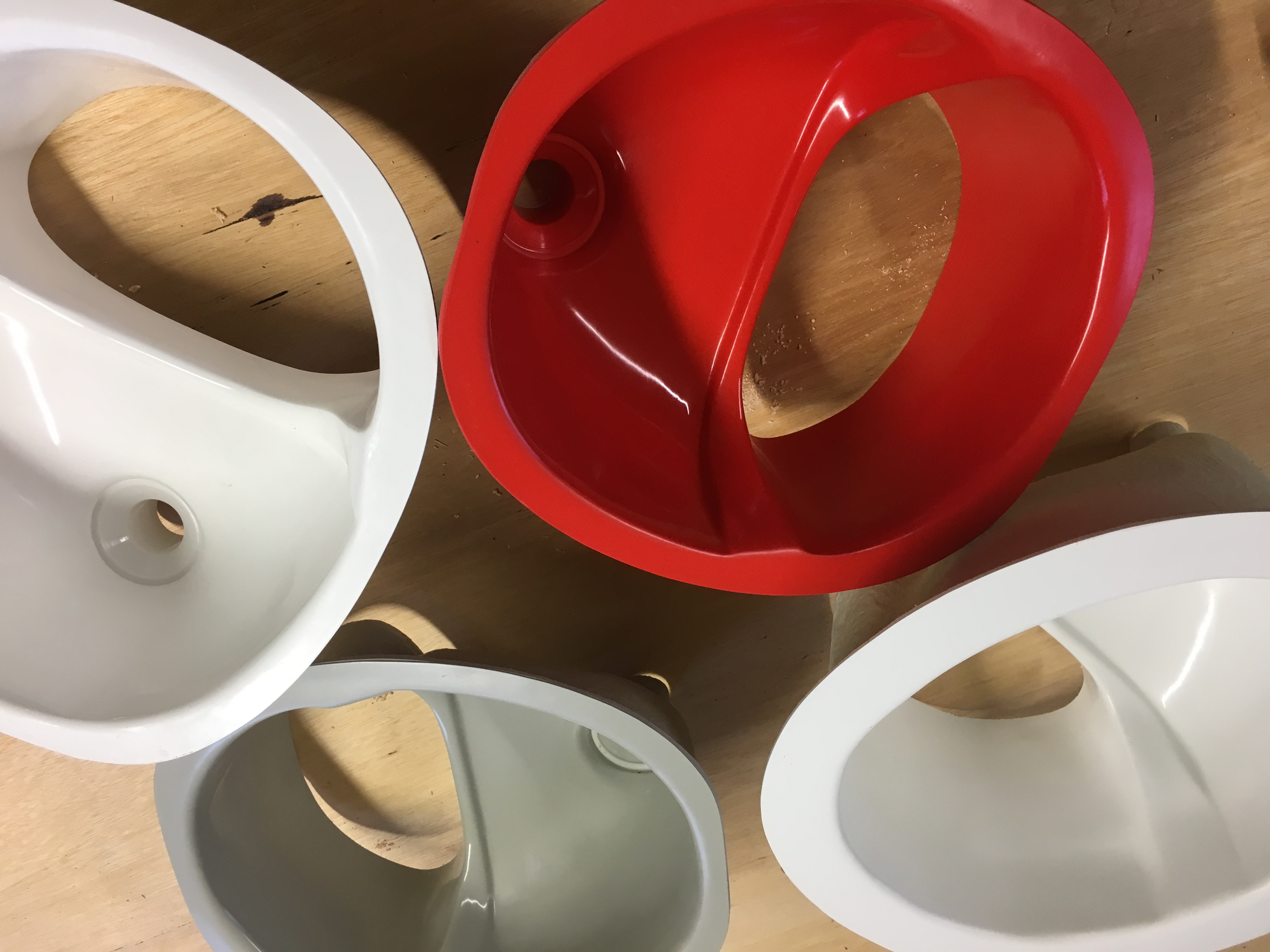
Oor Scottish Wee Hoose compost toilets combine traditional knowledge with modern design to create a system that is both efficient and environmentally responsible. Unlike conventional flush toilets, these toilets do not require water to operate, which saves as much as 50 thousand of liters annually per household. Here are some key features that set them apart:
Waterless operation: They use no water, making them ideal for remote locations or areas with limited water supply.
Odor control: Advanced ventilation systems and natural composting processes keep smells to a minimum.
Easy maintenance: The design allows for simple removal and composting of waste without complicated plumbing.
Durable materials: Built to withstand harsh weather conditions common in Scotland, these toilets last for years.
Compact design: They fit well in small spaces, making them suitable for cabins, tiny homes, and eco-lodges.
How Compost Toilets Work
The principle behind oor compost toilets is straightforward. Human waste is collected in a solids chamber where it stays dry until it goes out to the compost area where turns this waste into nutrient-rich compost that can be safely used to enrich soil. Here’s a step-by-step overview:
Waste collection: Well it's no really waste, that's an institutional word, let us call it waste-not; this is deposited into the composting solids chamber with sawdust to keep it ready and steady. When it's full it goes to the compost bin/area.
Aerobic decomposition: Oxygen and moisture are now naturally introduced to the mix, allowing bacteria and heat to break down materials.
Compost maturation: Over time, the waste transforms into safe, odourless compost.
Removal and use: The finished communal compost can be used as fertilizer for non-edible plants. If you are composting as a family then if there is no medications in the loop then you safely use your bootiful compost where you need it
Environmental Benefits of Oor Compost Toilets
Water conservation is a major advantage. Traditional toilets use an average of 6 liters per flush, which adds up to thoosands o' liters per person each year. Compost toilets eliminate this need entirely. This is especially important in areas facing water shortages or where sewage treatment is costly or unavailable.
Additionally, compost toilets reduce pollution. Conventional sewage systems can leak or overflow, contaminating water bodies with harmful pathogens and chemicals. Compost toilets keep waste contained and transform it into a useful product, closing the nutrient loop.
Oor compost toilets also reduce carbon footprints by cutting down on water treatment energy and transportation of sewage sludge. Using local materials and simple technology further lowers environmental impact.
Practical Examples of Wee Hooses Compost Toilets in Use
Several communities and businesses worldwide have adopted our toilets with great success:
Eco-lodges in the Highlands: Remote lodges use compost toilets to minimize environmental impact and provide guests with a sustainable experience.
Off-grid homes: Homeowners living off the grid rely on compost toilets to manage waste without connecting to expensive sewage systems.
Community gardens: Some urban gardens use compost toilets to recycle waste and produce fertilizer for plants.
Outdoor festivals: Temporary events use portable compost toilets to reduce waste and avoid water use.
Schools: Much of our compost loos go to schools as well as folks gardens and the likes. Each wee hoose can free up a full class of pupils just by getting them outside wee nature every day. That's a no-brainer right there.
These examples show how versatile and effective oor compost toilets can be in different settings.
Installation and Maintenance Tips
Installing a compost toilet requires some planning but is straightforward with the right guidance:
Choose the right model: Consider the number of users, space available, and climate.
Prepare the site: Ensure a flat area and easy access for compost removal.
Use absorbent materials: Keep sawdust handy to add after each use.
Regularly check moisture and temperature of your compost heap: Composting works best in balanced conditions. Too wet no good, too dry no good.
Maintenance is minimal compared to traditional septic systems. Regular monitoring and occasional emptying keep the system running smoothly.
Why Choose a Wee Hoose Compost Toilet Over Other Options?
Oor compost toilets stand out because they blend simplicity with effectiveness. They are designed to handle the wet and cold climate of the UK, and Scotland where we are fae, which can be challenging for other composting systems. The robust construction and thoughtful features make them reliable aw year-round.
Moreover, these toilets support a lifestyle that respects natural resources and reduces environmental harm. They offer a practical way to live sustainably without sacrificing comfort or hygiene.
The Future of Sustainable Sanitation
As we look ahead, the importance of sustainable sanitation becomes clearer. With growing concerns about water scarcity and environmental degradation, compost toilets present a viable solution. They not only conserve water but also turn waste-not into a resource. By adopting compost toilets, we can contribute to a healthier planet.
So, if you're considering a change, why not lean into eco-friendly living? A Wee Hoose compost toilet could be just what you need to make a positive impact!
Final Thoughts on Wee Hooses Compost Toilets
Weel, whit are ye waitin' fur?! Embrace the change and join the movement towards sustainable sanitation. With Wee Hooses, you’re not just getting a toilet, you’re investing in a greener future! That's something we all need, yesterday.


Comments